
If you are buying your first pair of speakers for DJing, this is the single most confusing decision in the whole setup — and it is easy to buy the wrong one. Studio monitors and PA speakers look similar and both play sound, but they are built for completely different jobs. Here is the actual difference, and which one you need first.
Quick Answer
Studio monitors are for accurate, flat playback at home so you can hear exactly what your mix sounds like — buy these first for practice and mixing. PA speakers are built to fill a room with volume for parties, gigs and events — buy these once you actually start playing out.
What Are Studio Monitors?
Studio monitors are designed to reproduce sound as accurately as possible, without boosting bass or treble the way consumer speakers do. That flat, “honest” response is the entire point: when you are mixing or producing, you need to hear your actual EQ balance, not a version that has been made to sound more exciting.
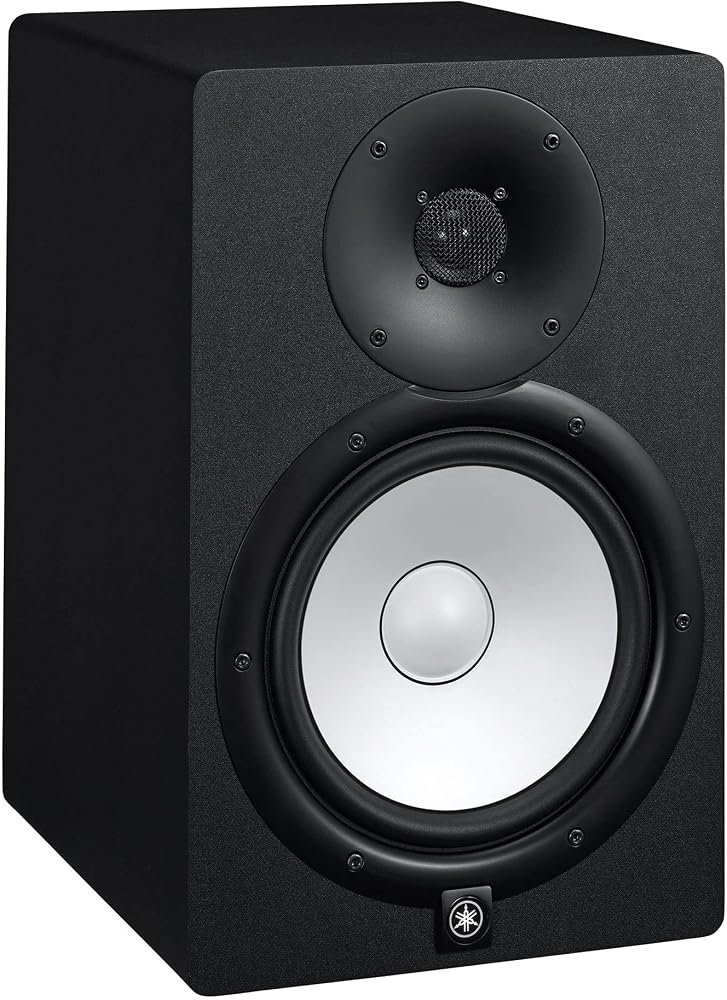
✅ Check Yamaha HS8 price on Amazon
What Are PA Speakers?
PA (public address) speakers are built to project sound loudly across a room or venue, with woofers typically ranging from 8 to 15 inches and cabinets designed for wide dispersion. They are what you actually need at a wedding, house party or club night — but that same design makes them a poor tool for critical listening, since they emphasize volume and low-end punch over flat accuracy.
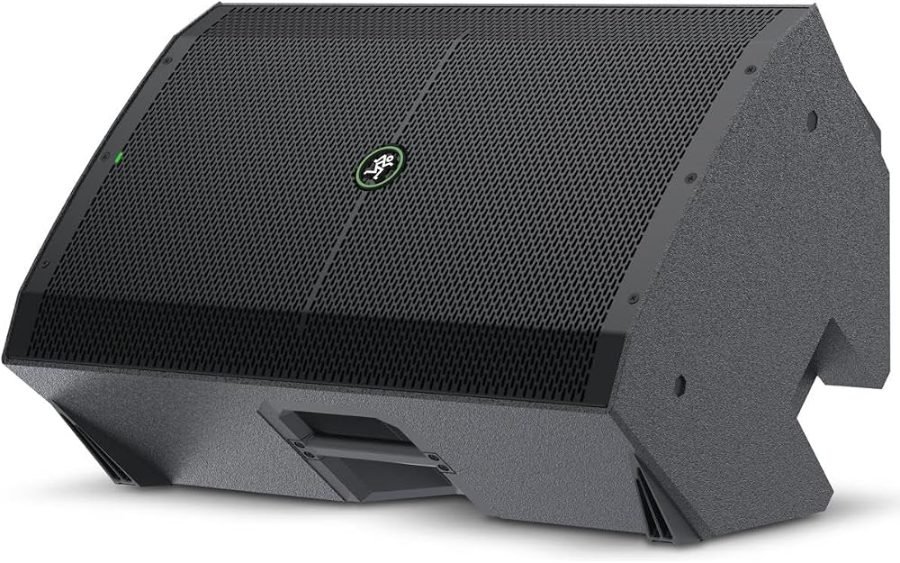
✅ Check Mackie Thump215 price on Amazon
Key Differences at a Glance
- Sound signature: Monitors = flat and accurate. PA speakers = boosted bass and volume-optimized.
- Best use: Monitors = home practice and mixing. PA speakers = gigs, parties, events.
- Volume: PA speakers throw sound much farther and louder; monitors are built for close, moderate-volume listening.
- Size range: Monitors are usually 5-8 inch woofers. PA speakers commonly run 8-15 inch.
- Never use monitors as your only PA speaker for an actual event — they simply won’t be loud enough or throw sound far enough for a room full of people.
Which One Should You Buy First?
If you are just starting out and mainly practicing at home, buy studio monitors first. Most working DJs follow this path: learn and mix on monitors, then add PA speakers once they start booking actual gigs. For the full beginner setup order, see our home DJ studio setup guide.
If you already know you’ll be playing live events soon — weddings, house parties, small venues — it makes sense to prioritize PA speakers instead, and our wattage guide will help you size them correctly for your venue.
Frequently Asked Questions
Can I use PA speakers for home practice instead of monitors?
You can, but it is not ideal — PA speakers are voiced to sound exciting at volume, which can mask mixing mistakes you would catch on flatter, more accurate monitors. It works as a stopgap, just don’t expect the same precision.
Do I need both eventually?
Most DJs who play live events end up owning both: monitors for home practice and production, PA speakers for gigs. You do not need to buy both on day one — start with whichever matches what you are actually doing right now.
Are active (powered) monitors different from passive ones?
Active monitors have a built-in amplifier and just need power and an audio source — this is what almost every home DJ setup uses today. Passive monitors need a separate external amplifier, which adds cost and complexity most beginners do not need.
What size monitor is right for a small bedroom setup?
5-inch monitors are usually enough for a small room and close listening distance. 8-inch models like the Yamaha HS8 make sense in larger rooms or if you want more low-end detail without a separate subwoofer.